Blog Posts
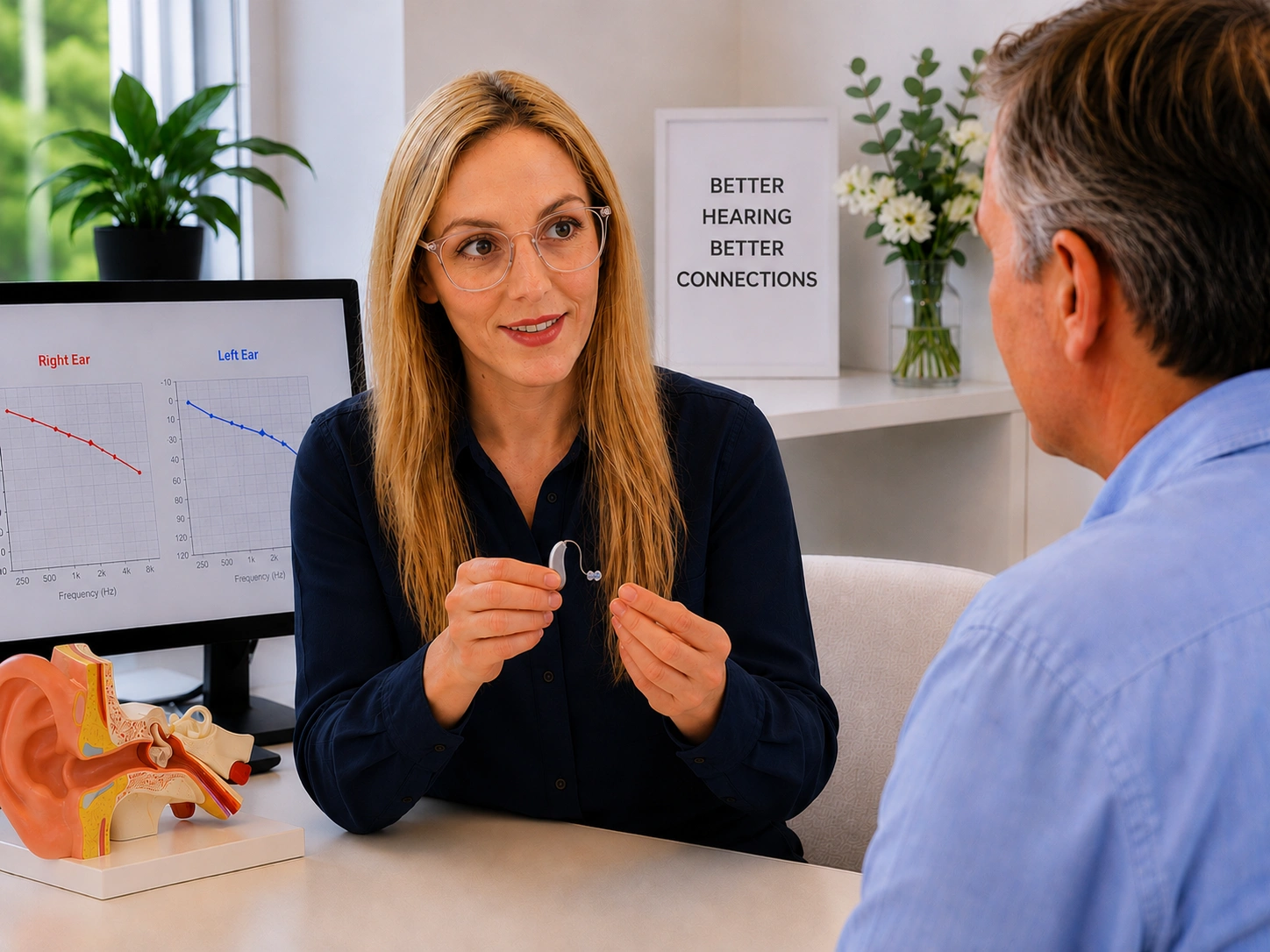
How Do You Know If You Need Hearing Aids?
How Do You Know If You Need Hearing Aids?
Many people assume hearing aids are only for severe hearing loss.
In reality, many adults begin considering hearing support long before hearing becomes “bad enough” to stop hearing entirely.
Often, the first signs are subtle. You may notice:
Conversations becoming harder to follow
Restaurants feeling exhausting
Frequently asking people to repeat themselves
Turning the TV up louder than others prefer
Missing parts of words or sentences
Feeling like people mumble more than they used to
At ER Audiology, many patients say:“I can hear people talking… but I’m struggling to understand them clearly.”
Hearing Loss Is Often Gradual
Hearing changes usually happen slowly over time. Because the change is gradual, many people adapt without realising how much listening effort they are using every day. Some people begin:
avoiding noisy places,
withdrawing from conversations,
feeling fatigued after social events,
or relying heavily on others to repeat themselves.
Family members often notice hearing difficulties before the person themselves does.
Signs Hearing Aids May Help
Hearing aids may be beneficial if you regularly experience:
Difficulty Understanding Speech
Especially:
in restaurants,
group conversations,
meetings,
or family gatherings.
Many adults hear sound but struggle with clarity.
Increased Listening Fatigue
When hearing becomes less clear, the brain works harder to fill in missing speech information. This extra effort can become mentally exhausting over time.
Frequently Asking “What?”
Occasional repetition requests are normal. However, needing repetition regularly can indicate reduced speech clarity.
Turning the Television Up
One of the most common early signs is needing the TV louder than others around you.
Avoiding Social Situations
Some people begin avoiding noisy places because listening becomes tiring or frustrating.
Does Needing Hearing Aids Mean Hearing Is “Bad”?
Not necessarily.
Many people benefit from hearing aids while still hearing reasonably well in quiet situations. Modern hearing aids are designed to:
improve speech clarity,
reduce listening effort,
and help conversations feel more natural in challenging environments.
The goal is often not simply “making things louder.” It is helping speech become easier to follow.
What Happens Before Hearing Aids Are Recommended?
At ER Audiology, hearing aid recommendations are based on:
hearing test results,
communication difficulties,
lifestyle needs,
listening environments,
and personal goals.
A comprehensive hearing assessment may include:
hearing sensitivity testing,
speech clarity testing,
middle ear assessment,
ear examination,
and discussion of listening concerns.
Not everybody who has hearing difficulty requires hearing aids immediately. Sometimes reassurance, monitoring, communication strategies, or medical review may be more appropriate.
Modern Hearing Aids Are Different Than Many People Expect
Many adults are surprised by how discreet and advanced modern hearing aids have become. Features may include:
background noise support,
Bluetooth connectivity,
rechargeable batteries,
smartphone compatibility,
and automatic environmental adjustments.
Technology has improved significantly in recent years.
When Should You Have Your Hearing Checked?
You should consider a professional hearing assessment if:
people seem harder to understand,
noisy places feel exhausting,
family members comment on your hearing,
you rely heavily on subtitles,
or you feel communication is becoming more difficult.
Early assessment can help identify hearing changes before communication difficulties significantly affect daily life.
Independent Hearing Care in Capalaba
ER Audiology provides independent hearing assessments, hearing aid support, communication advice, and personalised hearing care for adults across Capalaba, Redlands Coast, and Brisbane South East. If you are unsure whether hearing aids may help, a professional assessment can help clarify what is happening and what options may be appropriate for you.

Why Hearing Loss Can Leave You Feeling Exhausted
Why Hearing Loss Can Leave You Feeling Exhausted
Many people think hearing loss is simply about volume - not hearing sounds loudly enough.
But for many adults, one of the earliest and most frustrating symptoms is actually mental fatigue.
If you feel unusually tired after conversations, social events, restaurants, or busy environments, listening effort may be playing a role.
Hearing Is More Than Just the Ears
Hearing does not only happen in the ears. The brain also plays a major role in understanding speech and making sense of sound.
When hearing becomes reduced, the brain often has to work much harder to “fill in the gaps” during conversation. This can make listening feel mentally draining, especially in environments with background noise.
Some people describe this as:
Feeling exhausted after social events
Struggling to concentrate in noisy places
Feeling mentally “checked out” after long conversations
Needing to withdraw from group situations
Feeling like listening takes too much effort
This is sometimes referred to as listening fatigue or listening effort.
Why Noisy Places Feel More Difficult
Many people first notice problems hearing in restaurants, cafés, family gatherings, or workplaces.
Background noise makes the brain work even harder to separate speech from competing sounds. Even when you can technically “hear” someone talking, understanding what they are saying may require significant concentration.
This extra effort can contribute to:
Mental fatigue
Frustration
Reduced concentration
Social withdrawal
Increased stress levels
Some people find themselves avoiding noisy environments altogether because they feel exhausted afterward.
Hearing Loss and Cognitive Load
The brain constantly processes sound in the background without us realising it.
When hearing becomes more difficult, the brain may redirect more energy toward listening and understanding speech. This increased cognitive load can leave less mental energy available for:
Memory
Attention
Multitasking
Concentration
This is one reason some people report feeling unusually tired after long periods of listening.
Signs Listening Fatigue May Be Affecting You
You may be experiencing listening fatigue if you:
Feel drained after conversations
Struggle to follow speech in noise
Frequently ask people to repeat themselves
Feel like others are mumbling
Avoid social situations because listening feels tiring
Need quiet recovery time after busy environments
These symptoms can occur even in the early stages of hearing difficulty.
What Can Help?
The first step is understanding why listening feels harder.
A hearing assessment can help identify whether hearing changes may be contributing to listening fatigue or communication difficulties.
Communication strategies, improving listening environments, and hearing support when appropriate may help reduce the mental effort required to follow conversation.
Simple changes such as reducing background noise, improving positioning during conversation, and managing hearing difficulties early, can often make communication feel less exhausting.
Supporting Hearing Health Across Redlands Coast
At ER Audiology we believe hearing care is about more than just volume. Hearing difficulties can affect communication, concentration, confidence, and everyday quality of life.
If listening has started to feel more tiring than it used to, it may be worth having your hearing checked.
ER Audiology is proudly supporting hearing health across Capalaba, Redlands Coast, and surrounding areas.

Why Do Restaurants Feel So Loud? Understanding Hearing in Background Noise
Why Do Restaurants Feel So Loud? Understanding Hearing in Background Noise

Many people can hear reasonably well at home but struggle in restaurants, cafés, or busy family gatherings.
You may find yourself:
Asking people to repeat themselves
Feeling exhausted after social events
Struggling to follow group conversations
Hearing voices but not understanding the words clearly
Avoiding noisy venues altogether
This is one of the most common early signs of hearing difficulty.
Why Restaurants Are Difficult Listening Environments
Restaurants contain multiple layers of competing sound at once.
Your brain is trying to process:
Conversations from nearby tables
Music
Clattering dishes and cutlery
Kitchen noise
Echoes from hard surfaces
Multiple people speaking at the same time
Even people with normal hearing can find this tiring.
However, when hearing changes begin, noisy environments often become much harder long before hearing loss is obvious in quiet rooms.
Hearing Speech vs Understanding Speech
Hearing is not just about volume.
It is also about:
Clarity
Speech separation
Processing speed
Filtering background noise
Many adults with early hearing loss can still hear sound, but the brain has to work much harder to separate speech from noise.
This extra listening effort is sometimes called listening fatigue.
Why It Often Starts With High-Pitched Sounds
Speech clarity relies heavily on hearing higher-pitched consonants clearly.
Sounds like:
S
F
TH
T
K
help the brain distinguish words from each other.
When these softer speech sounds become harder to hear, conversations in noisy places can sound:
Blurry
Mumbled
Jumbled together
People often notice:
Men’s voices are easier than women’s voices
One-on-one conversations are easier than groups
Quiet rooms are easier than restaurants
Why You Feel Tired After Social Events
Listening in noise requires significant mental effort.
When hearing becomes less clear, the brain works harder to “fill in the gaps” during conversation.
Over time, this can lead to:
Mental fatigue
Frustration
Reduced confidence socially
Withdrawal from noisy environments
Some people begin avoiding restaurants or group gatherings without realising hearing strain may be contributing.
Simple Strategies That May Help
Small adjustments can sometimes improve communication in noisy places.
Helpful strategies include:
Sitting with your back to the wall
Choosing booths over open seating
Reducing background music where possible
Facing the person speaking
Taking listening breaks in quieter areas
Choosing quieter times for social outings
These strategies reduce the amount of competing noise your brain must process.
When Should You Have Your Hearing Checked?
You should consider a hearing assessment if:
Restaurants feel increasingly difficult
Family members notice you asking “what?” more often
You feel exhausted after conversations
You rely heavily on lip reading
You avoid noisy social settings
You turn the TV up louder than others prefer
Early hearing changes are often subtle and gradual.
Many adults are surprised to discover their hearing difficulty is most noticeable in background noise first.
Independent Hearing Care in Capalaba
ER Audiology provides independent hearing assessments, hearing aid support, ear examinations, and personalised hearing care for adults across Capalaba, Redlands Coast, and Brisbane South East.
If conversations in restaurants are becoming harder to follow, a professional hearing assessment can help identify whether hearing changes may be contributing.

Can Hear but Can’t Understand? Why Speech May Sound Unclear
Can Hear but Can’t Understand? Why Speech May Sound Unclear
Have you ever found yourself thinking "people seem to mumble these days?"
You may be able to hear that someone is talking, but still struggle to make out certain words clearly, especially in noisy places like restaurants, family gatherings, or group conversations.This is often less about volume and more about speech clarity.
Hearing Sounds vs Understanding Speech
Hearing and understanding are not exactly the same thing.Some people can detect and hear sound but still find speech sounds unclear or distorted. Words may seem jumbled, softer consonants may be missed, or conversations may take more effort to follow.I often hear comments such as:
“People are not speaking clearly.” “I can hear people talking, but sometimes I miss part of the words.” “I struggle more when there is background noise.”
If you or a loved one have noticed any of these changes it could be a sign that your hearing deserves a closer look.
Why Speech May Sound Unclear
1️⃣ Changes in hearing sensitivity Even mild hearing loss can affect the softer speech sounds that help make words distinct. Sounds like s, f, th, or sh. This type of speech clarity hearing loss can make conversation feel less crisp, even when volume seems adequate.
2️⃣ Background noise Cafés, restaurants and family gatherings can be challenging listening environments because speech has to compete with other sounds. Difficulty understanding speech in noise is one of the most common reasons people book a hearing test, particularly when they notice conversation becoming more effortful.
3️⃣ Ear wax or congestion Sometimes reduced clarity can be related to something conductive, such as ear wax build-up or middle ear congestion. When the pathway for sound is affected, speech may sound muffled or dull.
4️⃣ Listening fatigue
Understanding speech in difficult listening environments can place extra demand on the brain. Many people notice they feel more tired after prolonged listening effort, particularly in noise.
When Is It Worth Having It Checked?
If people often seem to mumble, or conversations feel harder to follow than they used to, an assessment can help determine whether hearing changes, ear wax, or another factor may be contributing. Sometimes reassurance is all that is needed. Sometimes early support can make communication much easier.
Supporting Better Hearing Conversations
At ER Audiology - Capalaba, we help adults better understand changes in hearing clarity through comprehensive hearing assessments, ear wax management, and personalised advice. As part of our current Mother’s Day promotion, we’re also offering ear cleaning plus a hearing check, providing an opportunity to gain clarity about hearing health for yourself or someone you care about.
Explore More Posts
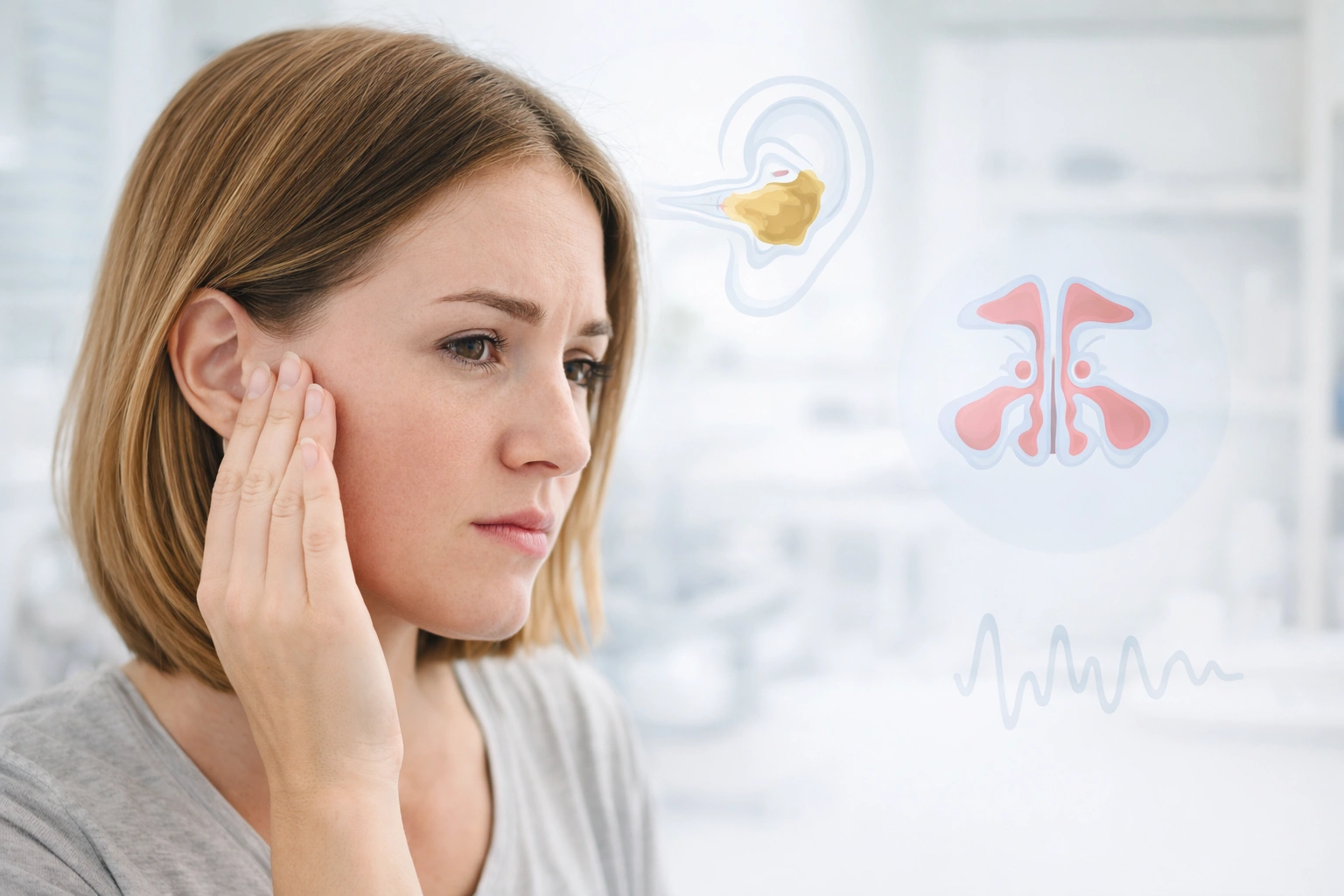
Blocked Ears? When It’s Ear Wax - and When It’s Something Else
Blocked Ears? When It’s Ear Wax - and When It’s Something Else
Blocked ears are a common concern for many people across Capalaba and the Redlands Coast.
It can feel like your hearing is muffled, full, or slightly “off” and it’s not always clear why.
In many cases, it’s something simple. But not always.
Understanding the difference can help you know when to wait, and when to have your ears checked.
What Does “Blocked Ears” Feel Like?
People describe blocked ears in different ways, including:
Muffled hearing
A feeling of fullness or pressure
Sounds seeming distant or unclear
Your own voice sounding louder than usual
Intermittent or fluctuating hearing
These symptoms can come on suddenly or develop gradually over time.
Common Causes of Blocked Ears
1️⃣ Ear Wax Build-Up
One of the most common causes is ear wax (cerumen). Wax can build up and partially or completely block the ear canal, leading to:
Reduced hearing
A full or clogged sensation
Sudden changes after showering or swimming
In many cases, this is quick to resolve with microsuction.
2️⃣ Eustachian Tube Dysfunction
This affects how pressure is regulated in the middle ear. It’s often linked to:
Allergies
Sinus congestion
Colds or upper respiratory infections
You may notice:
Popping or crackling
Pressure that comes and goes
Hearing that fluctuates throughout the day
3️⃣ Changes in Hearing
Sometimes blocked ears aren’t a blockage at all. Hearing changes can feel like:
Sounds becoming dull
Difficulty following conversations
Needing repetition more often
This can happen gradually and is often mistaken for wax.
4️⃣ Stress and Sensory Changes
Stress and anxiety can affect how the brain processes sound. Some people notice:
Heightened awareness of internal sounds
Sensitivity to everyday noise
Hearing that feels inconsistent
When Is It Likely to Be Ear Wax?
It may be ear wax if:
The change feels sudden
One ear is worse than the other
It started after water exposure
You’ve had wax issues before
When Should You Have It Checked?
It’s worth having your ears assessed if:
Symptoms persist
Hearing feels reduced
There’s discomfort or pressure
You’re unsure of the cause
A proper assessment helps identify whether it’s wax, pressure-related, or something else.
What Happens at an Appointment?
At ER Audiology, appointments are designed to properly assess what’s going on, not just provide a quick fix. This includes:
A clear view of the ear canal and eardrum
Identifying the cause of symptoms
Gentle microsuction if wax is present
If it’s not wax, you’ll be guided on the next steps.
A Simple First Step
Blocked ears can feel frustrating, but in many cases, the cause is straightforward and manageable. If your ears feel blocked, it may be something simple and it’s worth having it checked properly. ER Audiology independent hearing care in Capalaba, proudly supporting the Redlands Coast community.
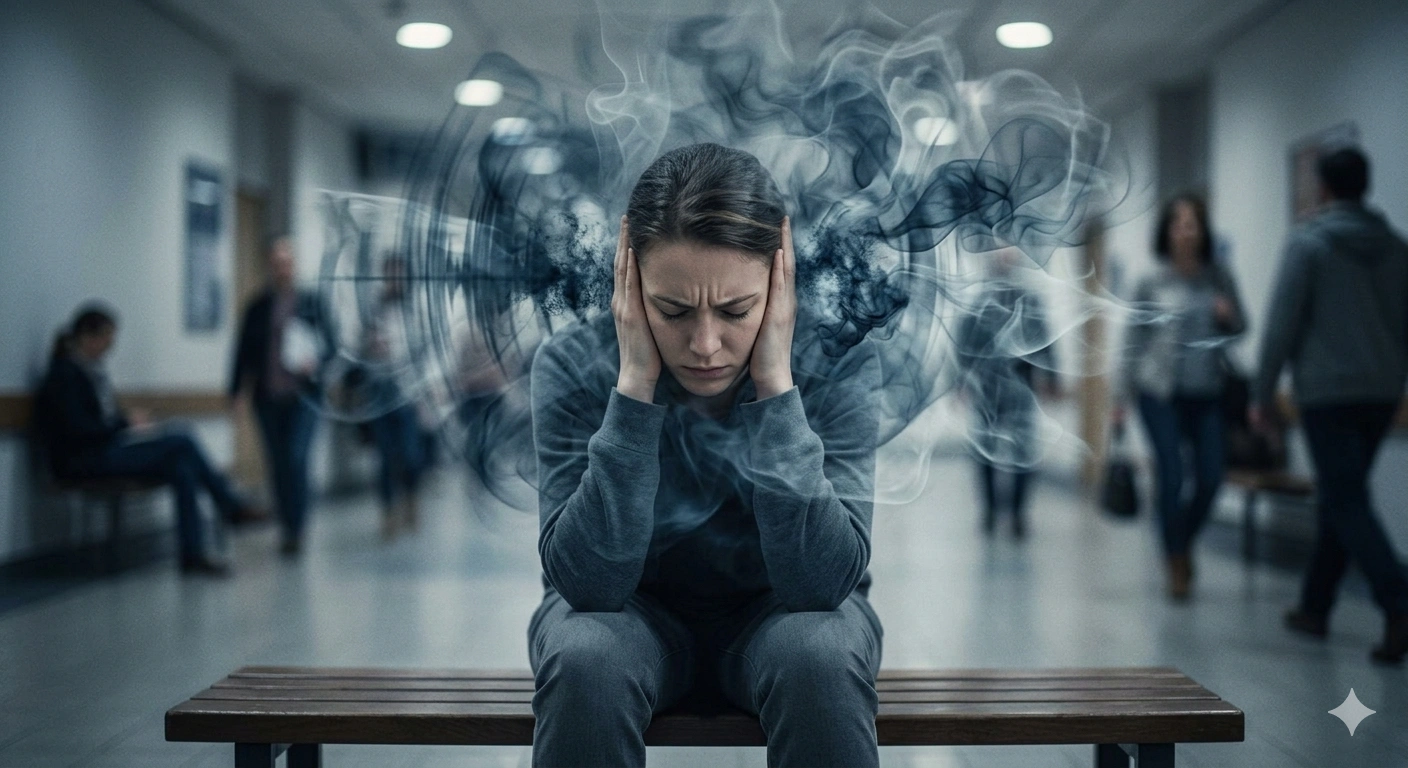
Do Stress or Anxiety Alter Hearing?
Do Stress or Anxiety Alter Hearing?
Yes, stress and anxiety can affect how you perceive sound and may contribute to symptoms like muffled hearing, ear pressure, or ringing in the ears.While stress does not directly damage the ears, it can influence how the brain processes sound and how your body responds to sensory input.
How Stress Affects Hearing
Some patients describe their hearing as “off” or inconsistent during periods of stress. When you are stressed, your body enters a heightened state of alertness. This can lead to:
Temporary muffled hearing
Increased awareness of internal sounds
Sensitivity to everyday noise
Fluctuating perception of hearing
A feeling of fullness or pressure in the ears
Changes to volume of tinnitus
This happens largely through brain processing, blood-flow changes to the cochlea, and somatic factors like jaw and neck tension, not usually through direct mechanical damage to the ear itself.
Can Anxiety Cause Tinnitus or Ear Pressure?
Stress and anxiety are strongly linked to tinnitus and ear pressure. You may notice:
Ringing or buzzing that worsens during stressful periods
A blocked or tight feeling in the ears
Difficulty focusing on conversations
This is often due to increased muscle tension or effects on Eustachian tube function and surrounding structures, and heightened nervous system activity.
When It’s Not Just Stress
It’s important not to assume stress is the only cause. Similar symptoms can also be related to:
Ear wax buildup
Middle ear pressure changes
Fluid behind the eardrum
Hearing loss
A proper assessment helps rule out physical causes.
When Should You Get Your Hearing Checked?
You should consider a hearing assessment if:
Symptoms persist beyond a few days
Hearing seems to fluctuate
You notice tinnitus or pressure regularly
One ear feels different from the other
Your Next Steps
If your hearing feels different during periods of stress, it is worth having it properly assessed. At ER Audiology in Capalaba, we take the time to determine whether your symptoms are related to ear health, hearing changes, or external factors such as stress.
If you live in Capalaba, Cleveland, Alexandra Hills or anywhere across the Redlands Coast, early assessment can provide reassurance and clarity. Book your appointment with ER Audiology today and take control of your hearing health.

Can Allergies Affect Your Ears and Hearing?
Can Allergies Affect Your Ears and Hearing?
Yes, allergies can affect your ears and hearing by causing congestion, pressure changes, and fluid buildup in the middle ear.This is especially common in areas like Capalaba and Redlands Coast where seasonal and environmental allergies are prevalent.
How Allergies Impact the Ears
Allergies can cause inflammation in the nasal passages and Eustachian tube. This can lead to:
Blocked or full sensation in the ears
Muffled hearing
Popping or crackling
Pressure that comes and goes
Why Hearing Can Feel Reduced
When the Eustachian tube is affected, pressure in the middle ear cannot equalise properly. This can make sounds seem:
Dull
Distant
Fluctuating
Louder or more noticeable when it is your own voice
Some patients notice their own voice sounds unusually loud or echoing, which can feel uncomfortable or distracting.
Many patients describe their hearing as “not quite right” during allergy flare ups.
Is it Allergies or Ear Wax?
While allergies cause internal pressure and fluid, ear wax creates a physical "plug" in the canal.
Allergy signs: Itching, sneezing, or symptoms that change with the weather.
Ear wax signs: Sudden "plugged" feeling after a shower, or hearing that doesn't improve with nasal sprays.
Is This Permanent?
In most cases, hearing changes caused by allergies are temporary. However, ongoing congestion can lead to persistent middle ear pressure or fluid buildup behind the eardrum, which may affect hearing if it does not resolve.
When Should You Get Your Ears Checked?
You should consider an assessment if:
Symptoms last more than a few days
Hearing fluctuates
One ear feels worse than the other
You are unsure whether it is allergies or something else
Professional Ear Wax Removal in Capalaba
Don't let blocked ears ruin your day. We are currently running a Half-Price Microsuction Ear Wax Removal offer. If your 'allergy' symptoms are actually caused by stubborn wax buildup, we can clear it safely and comfortably for half the usual price.
Your Next Steps
If you experience ear pressure or hearing changes during allergy seasons, it is important to confirm what is causing your symptoms. At ER Audiology in Capalaba, we assess middle ear function and hearing to determine whether allergies are affecting your ears or if another issue is present. If you live in Capalaba, Cleveland, Alexandra Hills or anywhere across Redlands Coast, early assessment provides clarity and appropriate management. Book your appointment with ER Audiology today and keep your hearing clear year round.
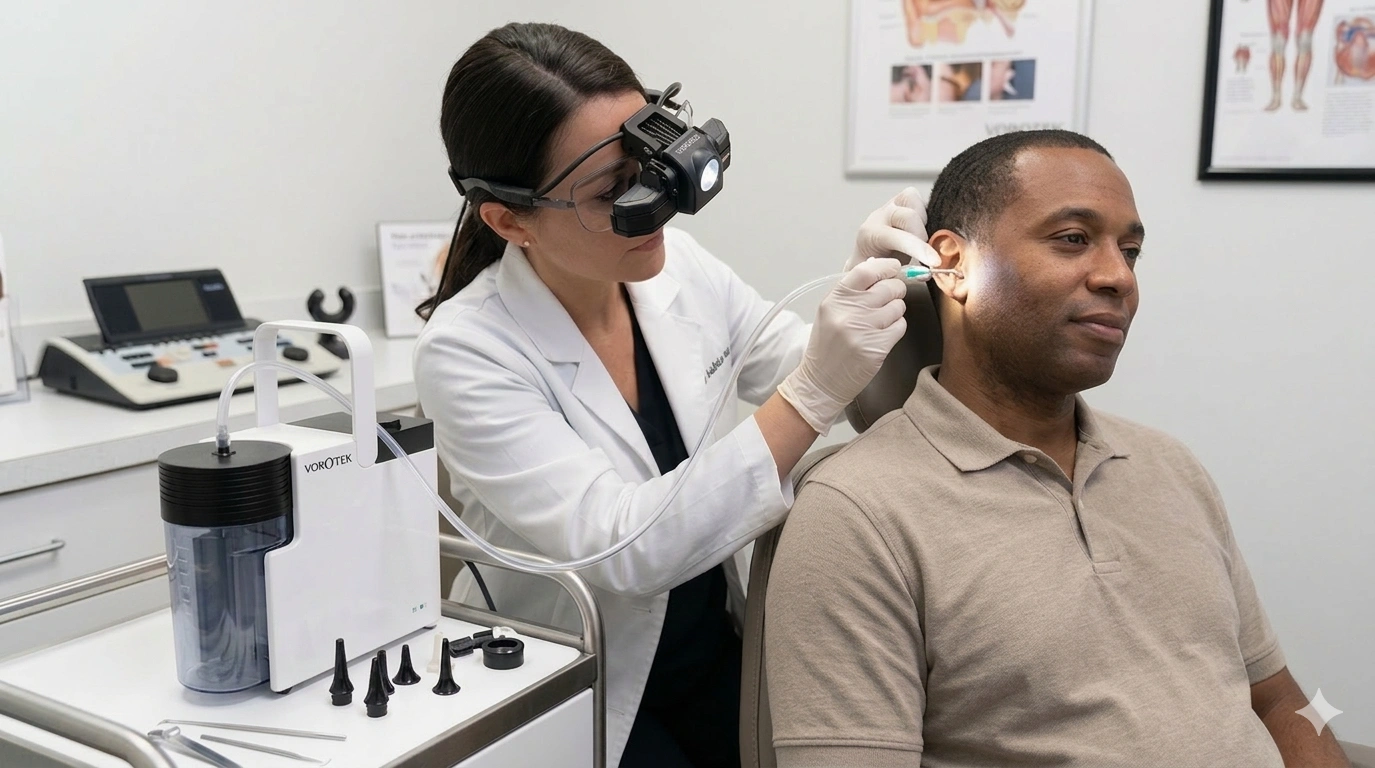
Microsuction Ear Wax Removal in Capalaba: Is It Safe?
Microsuction Ear Wax Removal in Capalaba: Is It Safe?
Blocked ears are one of the most common reasons patients across Capalaba and the wider Redlands Coast seek care. A frequent question we hear is; "Is microsuction ear wax removal safe?"
The short answer is yes - when performed by a trained clinician using appropriate equipment, microsuction is considered one of the safest and most effective methods of ear wax removal.
Let’s explain why.
What Is Microsuction Ear Wax Removal?
Microsuction is a water free method of removing ear wax using:
A medical grade suction device
Magnification and direct visualisation
Fine sterile instruments when needed
Unlike traditional syringing, microsuction does not flush water into the ear canal. Instead, wax is gently removed under direct view. This allows for controlled, precise treatment.
Why Is Microsuction Considered Safer?
Many clinics in South East Queensland now prefer microsuction over irrigation for several reasons.
1️⃣ No Water Involved
Traditional syringing pushes water into the ear canal. If water is too cold or too warm, it can stimulate the balance system and cause dizziness. The use of water increases the risk of infection and perforating the eardrum. Microsuction avoids this entirely.
2️⃣ Direct Visual Control
Because the clinician can see inside the ear throughout the procedure, there is greater accuracy and reduced risk of trauma. This is particularly important if you have:
Narrow ear canals
A history of ear surgery
A perforated eardrum
Hearing aids
3️⃣ Immediate Results
For many of our patients in Capalaba, blocked ears are relieved during the same appointment.
Is Microsuction Uncomfortable?
Most patients describe microsuction as strange, noisy, due to the suction sound, quick, and tolerable. If wax is very hard or deep, softening drops beforehand may improve comfort.
Who Is Microsuction Suitable For?
Microsuction is particularly recommended if you have:
Recurrent blocked ears
A history of ear infections
Previous ear surgery
A perforated eardrum
Tinnitus
Dizziness with irrigation in the past
For these patients, microsuction is often the safer choice.
Why Do Blocked Ears Happen So Often?
Residents across South East Queensland often experience wax build up due to:
Humid coastal climate
Frequent swimming
Use of earbuds or hearing aids
Use of noise protection ear plugs
Naturally narrow ear canals
Collapsing ear canals
Humidity can cause wax to swell, worsening blockage
Use of cotton buds
If you have been searching for “blocked ears” or "ear pressure" professional assessment is safer than home kits or cotton buds.
Is It Safe to Remove Ear Wax at Home?
Home syringing kits and cotton buds can:
Push wax deeper
Irritate the canal
Increase infection risk
Delay proper diagnosis
If your ear feels blocked, the safest first step is a professional ear examination to confirm wax is actually the cause.
Sometimes pressure or hearing changes are related to middle ear fluid or other causes rather than wax.
Microsuction Ear Wax Removal in Capalaba 4157
At ER Audiology in Capalaba, microsuction is performed using medical grade equipment under direct visualisation.
Each appointment includes a full ear examination to ensure treatment is appropriate. If impacted wax is present, it can often be removed safely during the same visit. You leave knowing if wax caused the blockage and what to expect moving forward.
When Should You Book an Appointment?
Consider booking if you notice:
Blocked or full sensation
Sudden hearing reduction
Hearing aid whistling
Ear discomfort
Difficulty after swimming
Early treatment prevents complications and restores comfort quickly.
Book Your Microsuction Appointment with ER Audiology
Blocked ears are frustrating, but they are usually straightforward to treat once properly assessed. At ER Audiology in Capalaba 4157, we provide careful ear examinations and safe microsuction ear wax removal in a calm clinical setting. You will receive clear explanations and personalised care, not rushed treatment. If you live in Capalaba anywhere across Redlands Coast, book your appointment today and get your hearing back to normal.

Why Does My Hearing Fluctuate?
Why Does My Hearing Fluctuate?
If you’ve ever thought, “Some days I hear fine, and other days everything sounds muffled” you’re not imagining it.
Fluctuating hearing is a common reason people begin to search for a hearing test or doctor's appointment. It is not uncommon to experience changes in hearing that seem to come and go. Let’s explore why this happens and when you should book an assessment.
What Is Fluctuating Hearing?
Fluctuating hearing loss means your hearing ability changes over time.
It may:
Feel blocked in one ear
Improve temporarily
Worsen with colds or allergies
Change throughout the day
Affect speech clarity more than volume
Affect one or both ears.
Common Causes of Fluctuating Hearing
1️⃣ Ear Wax Build-Up
Wax doesn’t always block the ear completely. Sometimes it:
Shifts position
Swells with moisture
Partially obstructs sound
In humid areas like Capalaba and Redlands Coast, wax can expand due to moisture, making hearing feel worse on certain days. This is one of the most common and easily treatable causes.
2️⃣ Eustachian Tube Dysfunction
Your Eustachian tube regulates pressure in the middle ear. If it doesn’t open properly, you may experience:
Muffled hearing
Popping sensations
Pressure changes
Hearing that improves after yawning
Allergies and sinus congestion, common in Queensland’s climate, can trigger this.
3️⃣ Fluid Behind the Eardrum
Middle ear fluid can cause:
Temporary hearing reduction
A “blocked” sensation
Fluctuating clarity
This often follows colds or sinus infections.
4️⃣ Meniere’s Disease
Although less common, fluctuating hearing can be an early sign of Meniere’s disease. Symptoms may include:
Episodic vertigo
Ear fullness
Tinnitus
Hearing that worsens during episodes
If you experience vertigo along with hearing changes, prompt assessment is important.
5️⃣ Sudden Sensorineural Hearing Loss (Medical Emergency)
If hearing drops suddenly in one ear, especially within 72 hours - this is urgent. Seek immediate medical attention. Sudden hearing loss is not necessarily wax and should not be ignored.
Can Fluctuating Hearing Be Permanent?
Sometimes yes - but often no.
Many causes are treatable, especially wax, pressure issues, and fluid. The key is early diagnosis. People often wait months before testing but earlier assessment leads to better outcomes.
Why Does My Hearing Change in Humid Weather?
The Redlands Coast experiences high humidity. Moisture can swell wax, increase sinus congestion, and change middle ear pressure.
When Should You Book a Hearing Test in Capalaba?
You should seek professional assessment if:
Hearing fluctuates frequently
One ear feels consistently different
You experience tinnitus
You notice dizziness
Symptoms persist longer than a few days
A comprehensive hearing test can determine whether the cause is:
Conductive (wax or middle ear)
Sensorineural (inner ear)
Temporary
Progressive
Your Next Steps
If your hearing seems to change from day to day, sounds muffled at times, or suddenly improves and worsens, it is worth having it properly assessed.
At ER Audiology in Capalaba, we take the time to carefully examine your ears and assess your hearing so you understand exactly what is happening. If ear wax or middle ear pressure is contributing to the problem. In some cases treatment can be provided during the same appointment.
If you live in anywhere across the Redlands Coast, early assessment can help prevent ongoing frustration and provide clear answers.
Book your appointment with ER Audiology today and get your ears feeling normal again.
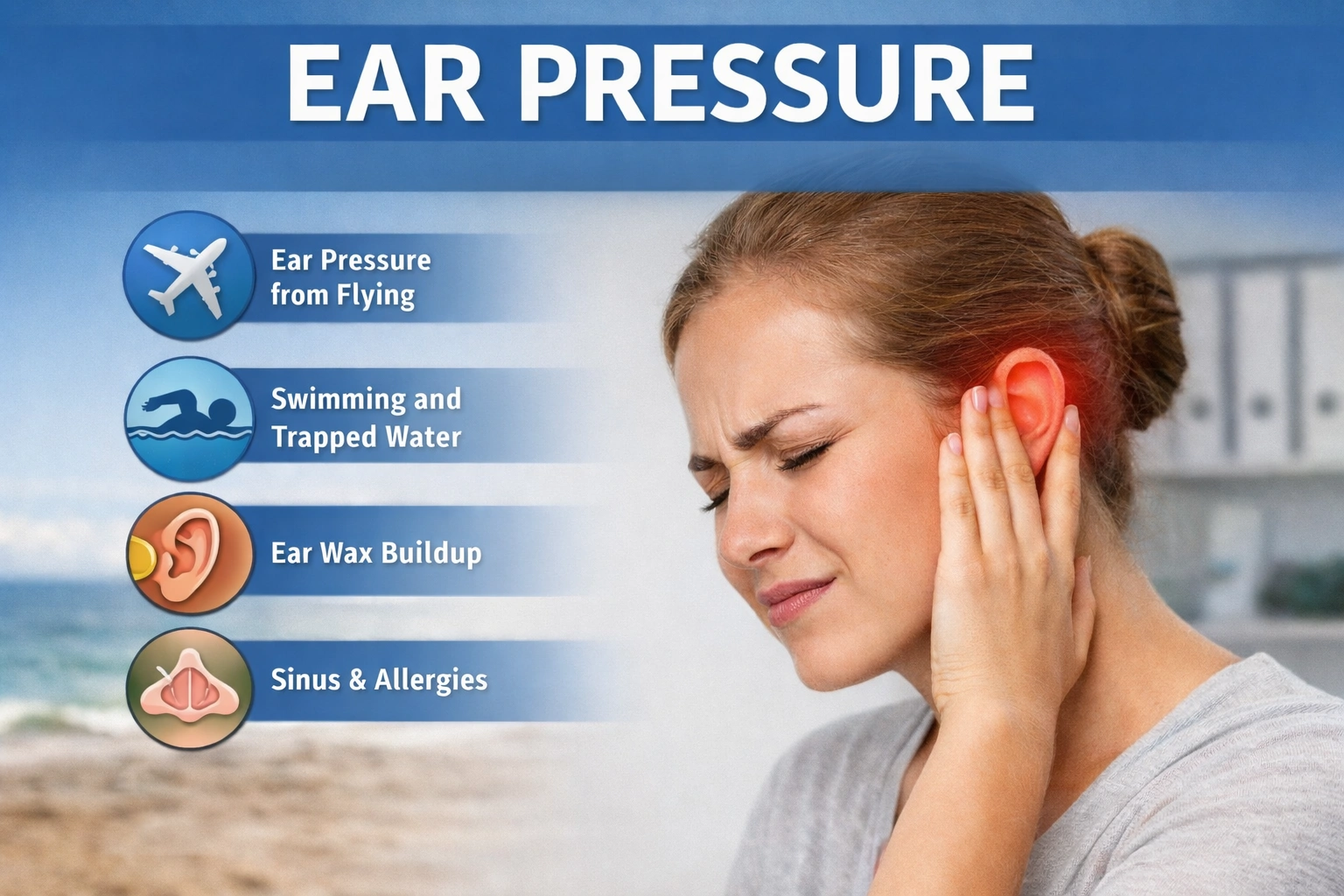
Ear Pressure: Causes, Treatment & When to See ER Audiology in Capalaba 4157
Ear Pressure: Causes, Treatment & When to See ER Audiology in Capalaba 4157
Ear pressure can feel uncomfortable, distracting and sometimes painful. Many patients across Capalaba and the Redlands Coast describe it as:
A blocked or “underwater” sensation
Popping that won’t clear
Muffled hearing
Fullness in one or both ears
But what actually causes ear pressure and when should you have it checked?
What Causes Ear Pressure?
Ear pressure usually happens when pressure inside your middle ear doesn’t equalise properly with the outside environment.
Common causes include:
1️⃣ Eustachian Tube Dysfunction
The Eustachian tube connects your middle ear to the back of your nose. It regulates pressure and drains fluid.
When it becomes blocked (often due to colds, sinus congestion or allergies), pressure builds up and your ears feel full.
This is very common during Brisbane’s allergy seasons and humid weather.
2️⃣ Ear Wax Buildup
Impacted ear wax can trap sound and create a blocked sensation that feels like pressure. Many people mistake wax blockage for fluid or infection. A simple ear examination can determine this quickly. Safe microsuction ear wax removal often provides immediate relief.
3️⃣ Pressure Changes (Flying or Driving)
Rapid altitude changes during flights or mountain driving can cause sudden pressure imbalance. This is why ears “pop” on planes. If they don’t equalise properly, discomfort can persist for hours or days.
4️⃣ Swimming & Water Exposure
Water trapped in the ear canal after swimming can create a temporary pressure sensation. In some cases, water can swell existing ear wax, worsening blockage.
5️⃣ Middle Ear Fluid
After colds or sinus infections, fluid can remain behind the eardrum.
This may cause:
Pressure
Muffled hearing
Crackling sounds
Mild imbalance
When Is Ear Pressure a Concern?
Seek assessment if you notice:
Pressure lasting more than a few days
Pain
Discharge or fluid
Sudden hearing loss
Dizziness
Ringing in the ears
Symptoms in one ear only
Early assessment prevents unnecessary complications and ensures appropriate treatment.
How Is Ear Pressure Diagnosed?
A professional ear assessment may include:
Otoscopy (visual ear examination)
Tympanometry (middle ear pressure testing)
Hearing testing if needed
This allows us to determine whether the issue is wax, middle ear pressure, fluid or something else.
Treatment for Ear Pressure in Capalaba
Treatment depends on the cause:
Impacted wax → Microsuction ear wax removal Eustachian tube dysfunction → Medical management via GP Middle ear fluid → Monitoring or medical referral Pressure from flying → Equalisation techniques
The key is correct diagnosis before treatment.
When to Book an Ear Check
If your ears feel blocked and won’t clear, don’t guess the cause. At ER Audiology in Capalaba 4157, comprehensive ear examinations can quickly determine whether ear wax, middle ear pressure or fluid is responsible.
If wax is present, it can often be removed safely during the same visit using microsuction. Early assessment means faster relief and peace of mind. Book your appointment with ER Audiology today.
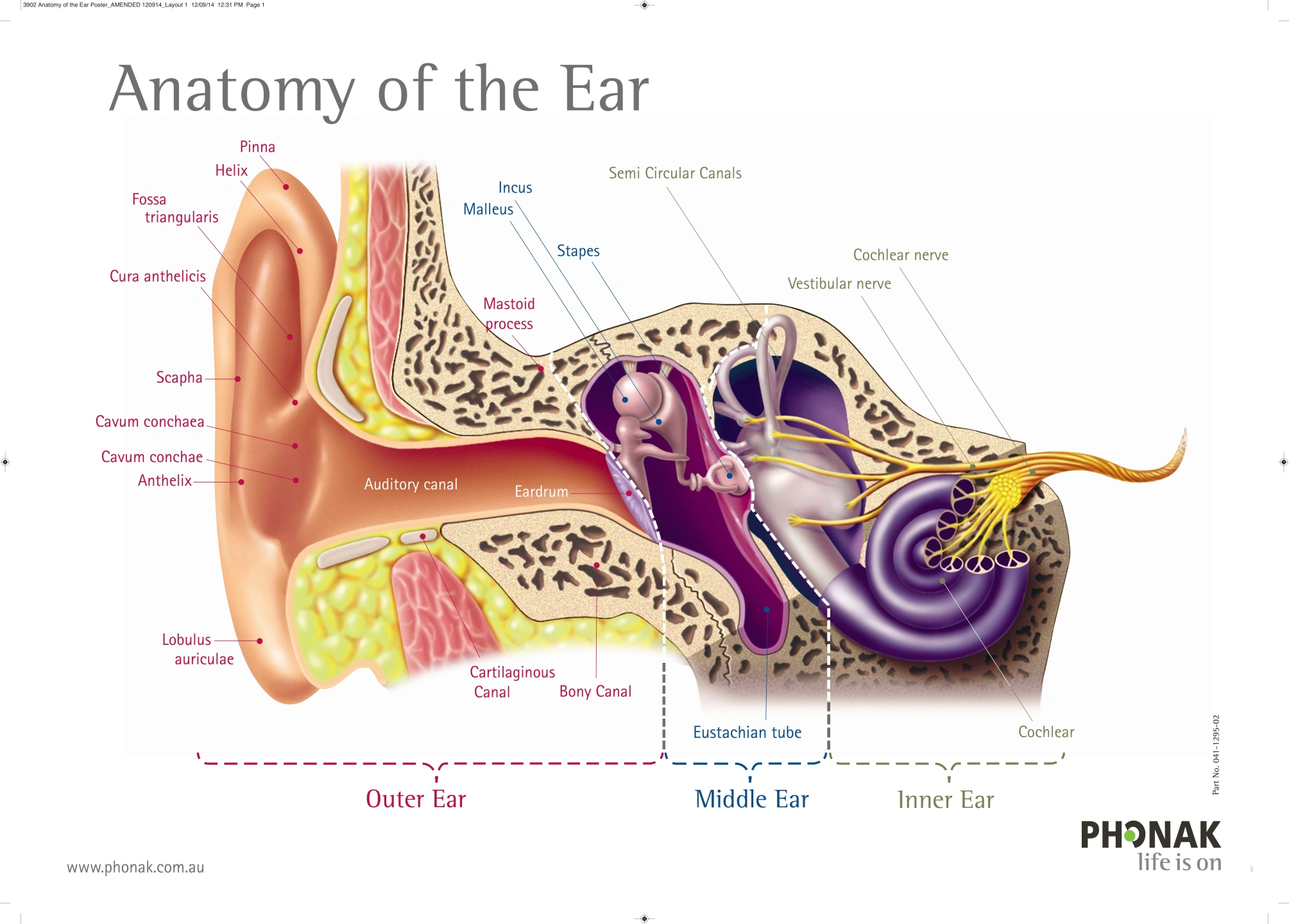
Can Ear Wax Cause Vertigo? A Guide for Capalaba & Redlands Coast Residents
Can Ear Wax Cause Vertigo? A Guide for Capalaba & Redlands Coast Residents
If you’re feeling dizzy and your ear feels blocked, you might be asking:
Can ear wax cause vertigo?
This is a common concern for patients seeking ear wax removal in Capalaba 4157 and across Redlands Coast.
The short answer:
Ear wax can contribute to dizziness - but it rarely causes true vertigo on its own.
Understanding the difference is important.
What Is Vertigo and Can Ear Wax Affect It?
Vertigo is a true spinning sensation. It may feel like:
The room is moving
You are being pulled to one side
Movement worsens symptoms
Nausea accompanies the spinning
Vertigo usually originates from the inner ear balance system, located deep inside the ear.
Ear wax forms in the outer ear canal, much further away from the balance organs.
However, impacted wax can press against the eardrum and alter pressure or sound input. This may create:
A blocked sensation
Mild imbalance
A “floating” or off-balance feeling
Patients often describe this as feeling “off” rather than true spinning vertigo.
How Ear Wax Can Contribute to Dizziness
1️⃣ Impacted Wax and Pressure Changes
When wax becomes compacted, it can:
Reduce hearing
Create fullness
Alter pressure perception
This sensory disruption can sometimes be interpreted by the brain as imbalance.
2️⃣ Swimming and Trapped Water
If wax is already present:
Water can become trapped
Wax may swell in humid conditions
Pressure inside the ear canal increases
Cold water entering one ear can also briefly stimulate the balance system, causing short-lived dizziness. This type of dizziness typically settles quickly.
3️⃣ Wax Masking an Underlying Condition
Sometimes wax is visible, but the dizziness is actually caused by:
BPPV (Benign Paroxysmal Positional Vertigo)
Meniere’s disease
Vestibular neuritis
Middle ear infection
When Is Wax Likely the Cause?
Ear wax may be contributing if you notice:
Blocked or full sensation
Sudden muffled hearing
Mild dizziness rather than spinning
Symptoms improving after wax removal
When It’s Probably Not Wax
Seek urgent medical assessment if you experience:
Severe spinning lasting hours
Vomiting
Double vision
Slurred speech
Weakness
Sudden hearing loss
These symptoms are unlikely to be caused by earwax alone.
Should You Book an Ear Examination?
If you have:
Ear fullness
Hearing reduction
Recent swimming
Hearing aid feedback
Dizziness with blocked ears
A professional ear examination is a sensible first step.
It allows accurate diagnosis and determines whether you need:
Ear wax removal
Middle ear assessment
Balance testing
Medical referral
Avoid home syringing kits, particularly if dizziness is present.
Key Takeaway
Ear wax can contribute to imbalance. However, true spinning vertigo is rarely caused by wax alone.
Your Next Steps
Dizziness and blocked ears shouldn’t be left to guesswork.
A simple ear examination can determine within minutes whether impacted wax is the cause and if so, safe microsuction ear wax removal can often provide immediate relief.
At ER Audiology, we provide thorough ear examinations and safe microsuction ear wax removal for patients across Capalaba 4157 and the wider Redlands Coast. You’ll receive clear answers, careful assessment and treatment tailored to your needs, not a rushed appointment. Book your ear check today and get clarity you can trust.
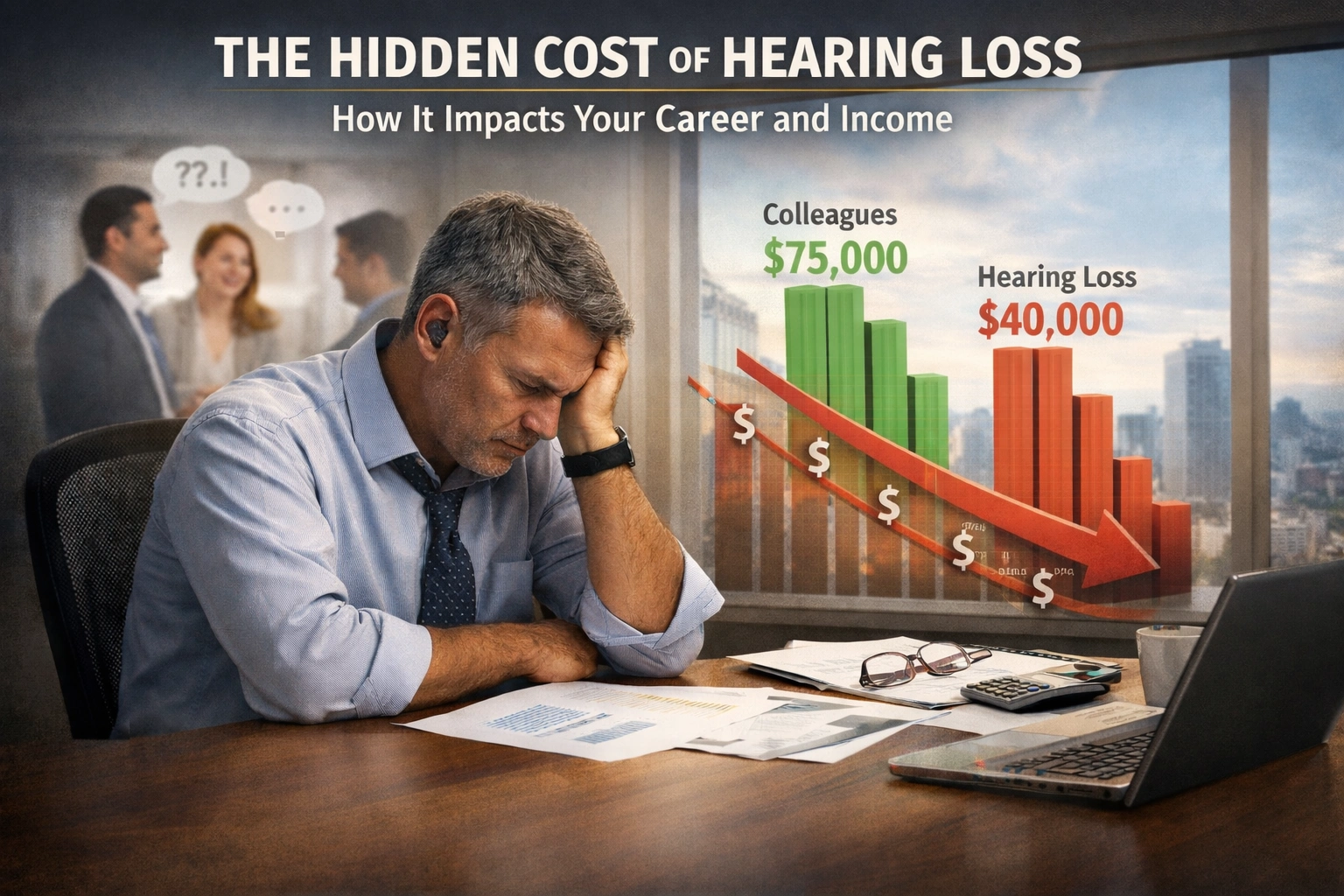
The Hidden Cost of Hearing Loss: How It Impacts Your Career and Income
The Hidden Cost of Hearing Loss: How It Impacts Your Career and Income
Did you know that untreated hearing loss could be costing you thousands of dollars in lost income every year? Economic studies in North America show that people with more severe untreated hearing loss can earn up to around USD 10,000–12,000 less per year than those with milder or treated hearing loss, with large national level productivity costs also reported in Australia. Adjusted to an Australian context, that can easily add up to many thousands of dollars per year in lost income and missed career opportunities.
Why Does This Happen?
Communication breakdown is often the first casualty. When you can't clearly hear in meetings, conference calls, or networking events, you miss critical information. You might not catch that important project update, mishear client requirements, or miss opportunities because you didn't hear them announced clearly.
Many people with hearing loss gradually start participating less in meetings and workplace discussions. They’re worried about asking "what?" too often or giving inappropriate responses. This reduced participation makes them less visible to management and less likely to be considered for promotions.
Struggling to hear all day is exhausting. It’s called "listening fatigue," and it affects your performance, decision‑making, and energy levels. While your colleagues go home refreshed, you're drained from the constant effort of trying to understand conversations.
Career advancement often happens through relationships and informal conversations. If you're avoiding office social events, skipping networking functions, or struggling with small talk because of hearing difficulties, you're missing valuable career‑building opportunities.
The Good News: Solutions Exist
Modern technology offers practical workplace solutions. Remote microphones can stream voices directly to your hearing aids from up to around 25 metres away in suitable environments. Phone amplifiers can boost desk phone volume by up to about 40 decibels, making speech much clearer. Bluetooth‑enabled hearing aids connect directly to computers and phones for crystal‑clear calls, while video meeting platforms and computers now offer real‑time captions, transcriptions, and noise suppression features.
Your Next Steps
Don't let untreated hearing loss rob you of career opportunities and income. A comprehensive hearing evaluation can identify solutions tailored to your work environment. Ready to invest in your career and hearing health? Contact us today to schedule your evaluation.
Contact ER Audiology today to schedule your comprehensive hearing assessment and take a proactive step toward preserving your hearing, health, and your quality of life.
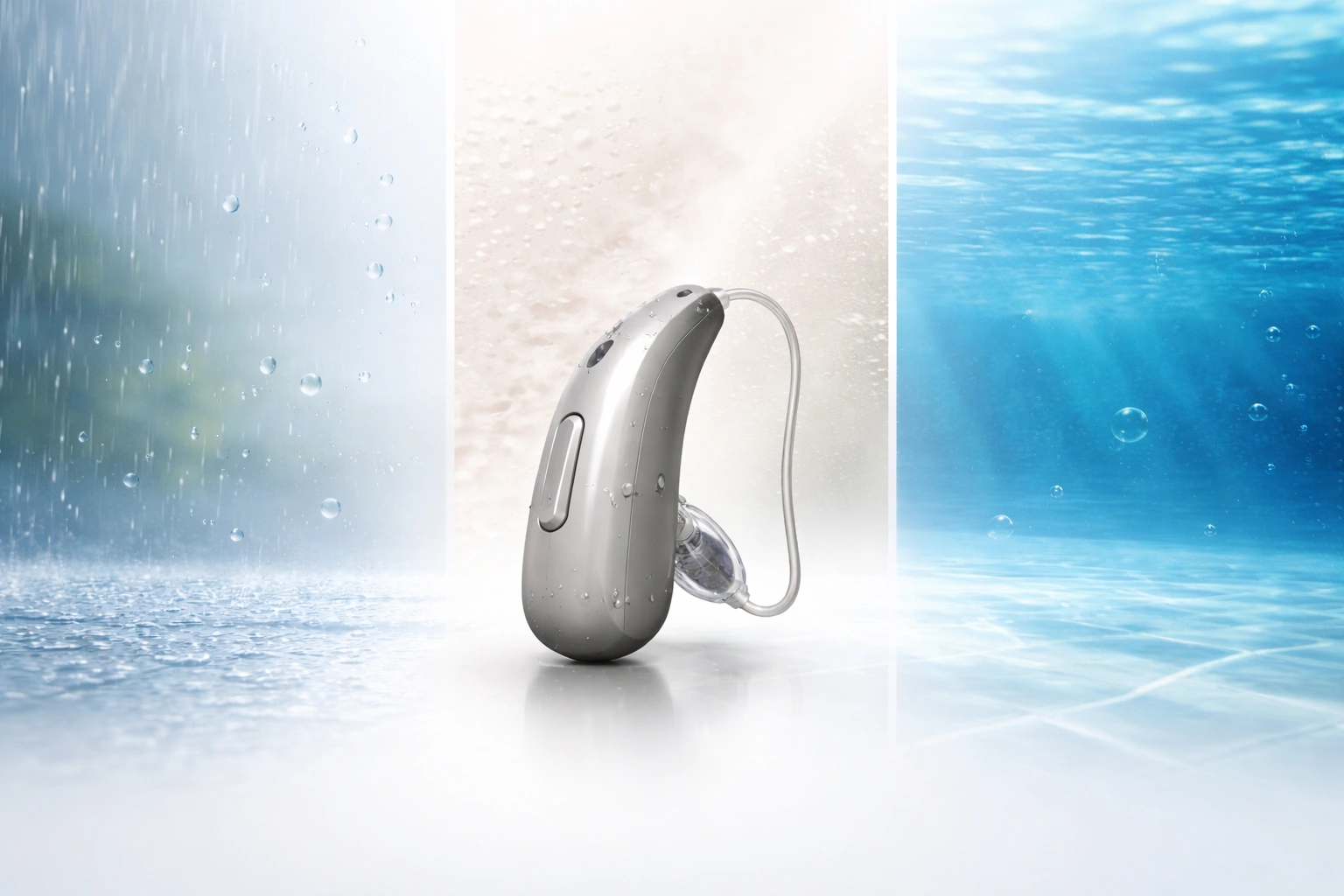
Are Hearing Aids Waterproof? What Brisbane’s Humidity Means for Your Devices
Are Hearing Aids Waterproof? What Brisbane’s Humidity Means for Your Devices
If you live in Capalaba, Redlands Coast or greater Brisbane, you already know how intense our humidity can be. Between summer storms, coastal air, sweat, and sudden downpours, Queensland weather is tough on technology, and hearing aids are no exception.
One of the most common questions we hear from patients is:
“Are hearing aids waterproof?”
The short answer? Not exactly; but many modern hearing aids are highly water-resistant. Let’s break down what that means.
Are Hearing Aids Waterproof in Australia?
Most modern hearing aids available in Australia are water-resistant, not fully waterproof. This means they are designed to handle:
Sweat
Light rain
Humid environments
Accidental splashes
But they are not designed to:
Be submerged in water
Be worn in the shower
Be worn while swimming
Survive a washing machine cycle
If you’re searching for “waterproof hearing aids Australia,” what you’re really looking for is the IP rating.
What Is an IP Rating?
IP stands for Ingress Protection. It measures how well a device is protected against:
- Solid particles (like dust)
- Liquids (like water)
For example, many premium hearing aids are rated IP68, which means: 6 = Fully protected against dust 8 = Protected against continuous immersion (under specific test conditions).
However, and this is important, IP68 does not mean you can swim with your hearing aids on. It means they are resistant under laboratory conditions, not real-world saltwater, chlorinated pools, or repeated soaking.
Why Brisbane’s Humidity Is Hard on Hearing Aids
South East Queensland has:
High summer humidity
Sudden storms
Coastal salt air (especially near Wynnum, Wellington Point, & Cleveland)
Increased perspiration
Humidity creates moisture inside tiny microphone ports and battery compartments. Over time, this can lead to:
Corrosion
Distorted sound
Intermittent function
Complete device failure
Can Sweat Damage Hearing Aids?
Yes - sweat is one of the biggest causes of hearing aid damage in Brisbane. Sweat contains salt, which is corrosive.
When moisture enters the device:
Microphones clog
Receivers fail
Battery contacts corrode
Charging ports malfunction
If you’ve ever noticed your hearing aids “cutting in and out” after being outside, moisture may be the cause.
Are Rechargeable Hearing Aids Better for Humidity?
Rechargeable hearing aids can actually be better suited to humid climates because:
- There’s no battery door to allow moisture in
- The casing is more sealed
- Many chargers include drying functions
How to Protect Your Hearing Aids in Brisbane Weather
1. Use a Hearing Aid Dehumidifier. A drying box or electronic dehumidifier removes moisture overnight.
2. Remove Devices Before Showering or Swimming. Even if your device is IP68 rated, remove it before:
Swimming
Showering
Heavy rain exposure
Beach visits
3. Wipe Them Down Daily
At the end of each day:
Gently wipe with a dry cloth
Check microphone openings
Inspect for visible moisture
This simple habit significantly extends lifespan.
4. Avoid Leaving Them in Hot Cars
Queensland summer car temperatures can exceed 60°C. Heat + humidity accelerates battery degradation and internal damage.
5. Book Regular Maintenance Checks
Routine servicing helps identify:
Early corrosion
Wax blockage
Microphone damage
Battery performance issues
What Happens If Hearing Aids Get Wet?
- Turn them off immediately
- Remove batteries (if applicable)
- Do NOT use a hairdryer
- Place in a drying container
- Contact your local audiologist if problems persist
Quick action can prevent permanent damage.
Signs Humidity Is Affecting Your Hearing Aids
Watch for:
Faint or distorted sound
Static noise
Devices switching off randomly
Charging issues
Rust in battery compartment
If you notice these signs, book a hearing aid check promptly.
Choosing the Right Hearing Aid
When selecting hearing aids in South East Queensland, consider:
High IP rating
Sealed rechargeable design
Nano-coating technology
Strong manufacturer repair support
Not all devices perform equally in humid climates. Modern premium hearing aids are designed with humid climates like Brisbane in mind. Many manufacturers now use advanced nano-coatings, internal sealing systems, and high-grade housing materials to reduce moisture penetration. These technologies don’t make hearing aids fully waterproof, but they significantly improve resistance to sweat, dust and everyday moisture exposure.
Your Next Steps
Taking care of your hearing aids in Brisbane's climate doesn't have to be complicated. Here's where to start:
Check your IP rating – if you're unsure what it is, we can help. Review your daily routine – a dehumidifier and a quick wipe-down each night can make a real difference. Book a maintenance check – especially if you've noticed any of the warning signs above. Ask about an upgrade – older devices may lack the moisture protection that modern hearing aids offer.
Contact ER Audiology today to schedule your comprehensive hearing assessment and take a proactive step toward preserving your hearing, health, and your quality of life.
Understanding Your Hearing Test Results: What the Audiogram Means
Understanding Your Hearing Test Results: What the Audiogram Means
You've just had a hearing test, and your audiologist hands you a chart filled with symbols, lines, and numbers. If you're feeling confused, you're not alone. The audiogram, a graph that shows your hearing test results, can look intimidating at first glance, but it's actually a tool that provides valuable insights into your hearing health.
In this guide, we'll walk you through everything you need to know about reading and understanding your results. You'll learn what the graph means, why certain frequencies matter more than others, and what your results indicate about your hearing.
What Is an Audiogram?
An audiogram is a visual representation of the softest sound you can hear across different frequencies (pitches). It's created during a test called pure tone audiometry, where you listen to various tones through differing transducers and indicate when you can hear them.
The Two Key Measurements
Frequency (Pitch)
- Measured in Hertz (Hz) or Kilohertz (kHz)
- Displayed horizontally across the top and/or bottom of the chart - From left to right, the graph ranges from 125 Hz (low pitch) to 8000 Hz (high pitch) - Low frequencies: bass sounds, thunder, foghorn - High frequencies: birds chirping, consonants like "s" and "f"
Intensity (Loudness)
- Measured in Decibels Hearing Level (dB HL) - Displayed vertically along the side - Ranges from -10 dB (very quiet) to 120 dB (very loud) - The lower down the chart, the louder the sound needs to be for you to just be able to hear it.
Reading the Graph: The Basics
Understanding the Symbols
O (circles) = Right ear
X (crosses) = Left ear
< or > = Bone conduction results (sound transmitted through the bone)
[ or ] = Masked results (used when one ear is much better than the other)
The "Banana" of Speech
One of the features you might see on your audiogram is the "speech banana"; a grey coloured region in the shape of a banana that contains most of the sounds in human speech. This typically falls between 250-6000 Hz at 20-60 dB.
Types and Degrees of Hearing Loss
Audiologists classify hearing loss by the the type of hearing loss and degree of severity based on where your thresholds fall:
Type
Your audiogram may show two sets of results: Air Conduction (X's and O's) - Sound travels through your ear canal, eardrum, and middle ear bones. This is how we normally hear. Bone Conduction (< and >) - Sound travels through your skull bones directly to your inner ear, bypassing the outer and middle ear.
- If air and bone conduction results are similar: it is likely a sensorineural hearing loss (inner ear or nerve issue)
- If air conduction is worse than bone conduction: it is likely a conductive hearing loss (outer or middle ear problem)
- If both types of hearing loss are present it is considered a mixed hearing loss This distinction helps determine the treatment options and management strategy.
Degree
Normal Hearing: You can hear most sounds without difficulty.
Mild Hearing Loss: Soft sounds may be difficult to hear. You might struggle in noisy environments or miss some parts of conversation.
Moderate Hearing Loss: Normal conversation becomes challenging. You often ask people to repeat themselves.
Moderately - Severe Hearing Loss: Speech is difficult to understand without hearing aids.
Severe Hearing Loss: You can only hear very loud sounds. Communication without hearing aids is extremely difficult.
Profound Hearing Loss: Most sounds are inaudible without amplification. Cochlear implants may be recommended.
In the audiogram above we see a mild to moderately-severe sensorineural hearing loss in the right ear and a mild to profound mixed hearing loss in the left ear.
Speech Testing Results
Your audiogram may also include speech testing results, which are more complex than pure tone audiometry.
Speech Recognition Threshold (SRT) - Measures speech understanding in quiet situations. It is the minimum hearing level at which an individual can correctly repeat 50% of the speech material. This test is a measure of speech recognition; the level at which the patient can recognise and recall the word.
QuickSIN (Quick Speech-in-Noise Test) - Measures speech understanding when background noise is present. During this test, you'll hear sentences with increasing levels of background noise, revealing how much louder speech needs to be compared to the noise for you to understand it.
Your Next Steps
Understanding your audiogram is the first step toward taking control of your hearing health. With this knowledge, you can have informed conversations with your audiologist, make confident decisions about treatment options, and track changes in your hearing over time.
Remember, hearing loss is highly treatable, and early intervention leads to the best outcomes.
Contact ER Audiology today to schedule your comprehensive hearing evaluation. Our experienced audiologist will walk you through your results and help you explore the best solutions for your unique needs.

Protecting Your Hearing: Prevention Tips for Every Age
Protecting Your Hearing: Prevention Tips for Every Age
Hearing loss is largely preventable with proper protection and awareness. Understanding how to protect your hearing at different life stages helps preserve this vital sense for years to come. In our increasingly noisy world, taking proactive steps to safeguard your hearing has never been more important.
Understanding Hearing Damage
How Hearing Loss Occurs
Loud sounds damage delicate hair cells in the inner ear. Once damaged, these cells don't regenerate, leading to permanent hearing loss. The damage is often gradual and painless, in fact many people don't realise they're losing their hearing until significant damage has occurred.
Dangerous Noise Levels
Sounds above 85 decibels can cause hearing damage with prolonged exposure. For reference, normal conversation is about 60 dB, while a lawn mower reaches 90 dB. A rock concert can exceed 110 dB, and fireworks can reach 140 dB or higher. The louder the sound, the less time it takes to cause damage. At 110 dB, hearing damage can occur in less than two minutes.
Protection Strategies by Age
Children and Teens
Limit exposure to loud toys, use volume controls on electronic devices, and teach children about hearing protection from an early age. Monitor headphone use carefully and encourage breaks from loud activities. Children's ears are particularly vulnerable to noise damage. Set parental controls on devices to limit maximum volume levels, and model good hearing health behaviors yourself.
Young Adults
Be cautious at concerts, clubs, and sporting events. Use earplugs in noisy environments and follow the 60/60 rule for personal listening devices; no more than 60% volume for 60 minutes at a time. Many young adults don't realise that hearing damage is cumulative. What seems harmless now can lead to significant problems later. Invest in high fidelity earplugs that reduce volume without distorting sound quality.
Working Adults
Use proper hearing protection in occupational settings. Many jobs require hearing conservation programs, especially in construction, manufacturing, and music industries. Don't ignore early signs of hearing changes like tinnitus (ringing in the ears) or difficulty understanding speech in noisy environments.
Older Adults
Regular hearing evaluations become increasingly important as we age. Age related hearing loss (presbycusis) is common but shouldn't be ignored or dismissed as inevitable. Early intervention with hearing aids or other assistive devices can prevent further deterioration and maintain quality of life. Untreated hearing loss has been linked to cognitive decline, social isolation, and depression.
Everyday Protection Tips
Use Proper Ear Protection
Foam earplugs, silicone plugs, or custom fitted protection can reduce noise exposure by 15 to 30 decibels. Keep protection easily accessible for unexpected loud situations. Carry earplugs in your car, purse, or pocket. Different types of protection work better for different situations. Musician's earplugs are designed to reduce volume evenly across frequencies, while foam plugs provide maximum noise reduction.
Maintain Safe Listening Habits
Take regular breaks from loud environments, following the principle that your ears need rest just like any other part of your body. Turn down the volume on personal devices and choose quieter restaurants and entertainment venues when possible. If you're using headphones and someone nearby can hear what you're listening to, it's too loud. Consider using noise canceling headphones, which allow you to hear clearly at lower volumes.
Avoid Dangerous Practices
Never use cotton swabs or sharp objects to clean your ears, as these can push wax deeper or damage the ear canal and eardrum. The ear is self cleaning, and excessive cleaning can cause more harm than good. Don't ignore ear pain, discharge, or sudden hearing changes. Seek professional help promptly, as some conditions causing hearing loss are treatable if caught early.
Warning Signs to Watch For
Be alert to signs of hearing damage including ringing or buzzing in the ears (tinnitus), difficulty understanding speech in noisy places, frequently asking people to repeat themselves, or needing to turn up the TV or radio volume higher than others prefer. Temporary threshold shifts (muffled hearing after exposure to loud noise) are warning signs that damage is occurring.
Your Next Steps
Protecting your hearing requires smart choices throughout your life. By understanding risks and taking preventive measures consistently, you can maintain healthy hearing well into your later years. Remember, prevention is always easier than treatment, and the small steps you take today can preserve your hearing for decades to come. Make hearing protection a priority, not an afterthought.
Contact ER Audiology today to schedule your comprehensive hearing assessment and take a proactive step toward preserving your hearing, health, and your quality of life.

Early Signs of Hearing Loss in Your 40s-60s: When Brisbane Adults Should Get Tested
Early Signs of Hearing Loss in Your 40s-60s: When Brisbane Adults Should Get Tested
If you've found yourself asking "What did you say?" more often lately, or you're convinced everyone around you mumbles, you're not alone. Hearing loss isn't just something that happens to elderly people. It's increasingly common among working adults and active seniors in their 40s, 50s, and +60s.
The good news? Catching hearing loss early makes a significant difference in your quality of life, career success, and social connections. Here's what Brisbane adults need to know about recognising the signs and when to seek help.
You're Not Too Young for Hearing Loss
Many people assume hearing loss only affects those over 70, but age-related hearing loss (presbycusis) can begin as early as your 40s, and years of noise exposure can accelerate the process.
According to Australian hearing health data, approximately one in six adults experiences some degree of hearing loss, with the prevalence increasing significantly after age 50. The challenge is that hearing loss develops gradually, making it easy to dismiss early warning signs.
Subtle Signs You Might Be Missing
Hearing loss often sneaks up on you. You might not realise you're missing soft sounds or struggling in certain situations until someone else points it out. Here are some of the early indicators that Brisbane professionals and active seniors should watch for:
At Work
Conference calls are exhausting because you're straining to follow conversations
You rely heavily on reading lips or watching people's faces
In Social Settings
You avoid social gatherings because following group conversations is tiring
You find yourself nodding along even when you haven't caught what was said
At Home
The TV volume is causing complaints from family members
You have difficulty hearing the doorbell or phone ring from another room
You miss the beeps from appliances or timers
During Leisure Activities
It's harder to follow conversations during your golf game
You find yourself avoiding activities you used to enjoy because of communication difficulties
The "Frequency Gap" That Catches People Off Guard
One reason hearing loss goes undetected is that it often starts with high frequency sounds. You might hear that someone is speaking perfectly well but miss consonants like 's', 'f', 'th', and 'h'. This makes speech sound muffled or unclear, as if people are mumbling. Women's and children's voices tend to be higher pitched, which is why you might notice you struggle more with their speech. This selective hearing loss can be frustrating and is often misunderstood by those around you.
Why Early Testing Matters
Many adults put off getting their hearing tested because they don't think it's "bad enough yet." However, research shows that untreated hearing loss can have consequences beyond just communication difficulties.
Cognitive Impact: Studies have linked untreated hearing loss to faster cognitive decline and increased dementia risk. When your brain works harder to decode sounds, it has fewer resources for memory and thinking.
Career Considerations: In your prime working years, hearing loss can affect job performance, confidence in meetings, and professional relationships. Addressing it early helps you maintain your competitive edge.
Social and Emotional Wellbeing: Hearing loss often leads to social withdrawal, frustration, and isolation. People may avoid situations where they know they'll struggle to hear, which can impact relationships and mental health.
Safety: Hearing traffic, alarms, or warnings is crucial, especially for those who are still driving regularly, cycling, or enjoying an active Brisbane lifestyle.
When Should You Get Tested?
You should consider a hearing assessment if:
You're regularly asking people to repeat themselves
Family members or colleagues have expressed concern about your hearing
You're over 50 and haven't had a hearing test in the last two years
You've been exposed to loud noise throughout your career (construction, manufacturing, music, military)
You have a family history of hearing loss
You experience tinnitus (ringing or buzzing in your ears)
You have certain medical conditions like diabetes or cardiovascular disease, which can affect hearing
Even if you don't have obvious symptoms, baseline hearing testing in your 50s is recommended so you have a reference point for tracking any changes.
Your Next Steps
If you've noticed any of these early warning signs or haven't had a hearing assessment in over a year, professional evaluation is the first step toward maintaining your active lifestyle and social connections. You don't need to wait until hearing loss significantly impacts your career or relationships. Our experienced audiologist uses evidence-based practices to help you maintain the connections that matter most: at work, at home, and in your community.
Contact ER Audiology today to schedule your comprehensive hearing assessment and take a proactive step toward preserving your hearing, your professional edge, and your quality of life.

How Artificial Intelligence is Transforming Hearing Aids in Australia
How Artificial Intelligence is Transforming Hearing Aids in Australia
Artificial intelligence is no longer science fiction, it's in our smartphones, our cars, and now, our hearing aids. If you're researching hearing solutions in Australia, you've likely encountered terms like "AI powered hearing aids," "machine learning," and "deep neural networks." In this comprehensive guide, we'll explore how AI is revolutionising hearing aid technology and what it means for Australians living with hearing loss.
Understanding How Hearing Aids Work: The Basics
Traditional digital hearing aids use programmed algorithms which act as rules that tell the device how to respond in different situations.
While effective, these conventional approaches have limitations. They follow static rules and rely on your audiologist's programming and, sometimes, manual adjustments from you when environments change.
What is Artificial Intelligence in Hearing Aids?
Artificial intelligence represents a fundamental shift in how hearing aids process and respond to sound. Rather than following fixed programming, AI enabled hearing aids can learn, adapt, and make intelligent decisions in real time.
Machine Learning: Hearing Aids That Learn
Machine learning is a subset of AI that allows technology to improve through experience. Instead of being explicitly programmed for every possible scenario, machine learning algorithms identify patterns in data and make predictions based on those patterns.
In hearing aids, machine learning enables:
Automatic environment classification: Recognising whether you're in a quiet home, busy restaurant, or outdoor setting
Adaptive adjustments: Modifying settings based on the specific acoustic characteristics of your current location
Personalised preferences: Learning from your manual adjustments and replicating them automatically in similar future situations
Think of machine learning as a hearing aid that becomes more attuned to your needs over time, recognising patterns in where you go and what you need to hear.
Deep Neural Networks: Brain Inspired Processing
Deep neural networks (DNNs) represent the most advanced form of AI currently available in hearing aids. Inspired by the structure of the human brain, DNNs consist of multiple layers of artificial "neurons" that process information in increasingly sophisticated ways.
This technology excels at:
Speech-noise separation: Distinguishing human speech from background noise with exceptional accuracy
Complex pattern recognition: Identifying multiple speakers, environmental sounds, and acoustic nuances simultaneously
Predictive processing: Anticipating which sounds matter most based on context
Deep neural networks are trained on enormous datasets. Sometimes millions of sound samples are used to teach them to recognise the intricate patterns that differentiate speech from noise, music from conversation, and important sounds from distractions.
AI Features in Modern Hearing Aids Available in Australia
Leading hearing aid manufacturers now incorporate various AI technologies into their devices.
Real Time Environment Recognition
AI hearing aids continuously analyse your acoustic environment, automatically identifying and transitioning between settings.
Advanced Speech Enhancement
Deep neural networks trained on diverse speech samples can isolate conversational speech even in challenging environments such as crowded pubs and restaurants with background music and multiple conversations.
Intelligent Directional Processing
Modern AI hearing aids don't just amplify sound from all directions equally. They use spatial awareness to:
Identify where speech is coming from
Focus processing power on the direction you're facing
Distinguish between people speaking directly to you versus background conversations
Automatically adjust as you turn your head or move through spaces
Personalised Adaptive Learning
Perhaps the most impressive aspect of AI hearing aids is their ability to learn your preferences over time. If you consistently adjust volume in specific locations or make manual changes in recurring situations, the AI recognises these patterns and begins making those adjustments automatically. It's hearing aid technology that becomes more personalised the longer you wear it.
Your Next Steps
If you're curious about whether AI hearing aids could improve your hearing experience, a comprehensive hearing assessment is your first step. Whether you've struggled with background noise in your current hearing aids or want to explore the latest technology, our team can help.
During your assessment, we'll evaluate your hearing, discuss your specific listening challenges, and introduce you to AI hearing aid technologies suited to your situation. We can arrange trials so you can experience the difference firsthand in your real-world environments.
Contact ER Audiology today to schedule your comprehensive hearing assessment and discover how artificial intelligence could transform your hearing experience.
The Fountain of Youth Might Be In Your Ears: What Science Says About Hearing and Brain Health
The Fountain of Youth Might Be In Your Ears: What Science Says About Hearing and Brain Health
What if one of the most powerful things you could do to stay mentally sharp, socially engaged, and cognitively vibrant was something simple? What if the key to preserving your cognitive youth was protecting your hearing?
Recent groundbreaking research suggests that the connection between our ears and our brain health is far more profound than most people realise.
The Lancet Commission's Findings
In July 2024, The Lancet Commission on Dementia Prevention released an updated report identifying 14 modifiable risk factors that could prevent or delay nearly 45% of all dementia cases worldwide.
Among these 14 factors hearing loss emerges as one of the single largest modifiable risk factors, particularly during midlife. This isn't just correlation; researchers have identified multiple biological mechanisms that explain why untreated hearing loss fundamentally changes our brain and dramatically increases our risk of cognitive decline.
https://www.thelancet.com/journals/lanhl/article/PIIS2666-7568%2824%2900191-0/fulltext#fig1
Why Does Hearing Loss Affect the Brain?
Cognitive Load and Mental Exhaustion
When you have hearing loss, your brain must work significantly harder just to decode sounds and understand speech. This constant extra effort diverts mental resources away from memory encoding, problem-solving, and other higher-level cognitive functions.
Brain Atrophy and Neural Decline
Neuroimaging studies using MRI technology have revealed that people with untreated hearing loss experience accelerated rates of brain atrophy, particularly in regions responsible for sound processing and memory formation, including the hippocampus. When auditory neural pathways aren't regularly stimulated, these pathways literally shrink.
Social Isolation and Withdrawal
When you can't easily follow conversations, especially in noisy environments, social situations become exhausting and frustrating. Many people begin avoiding gatherings, restaurants, and group activities they once enjoyed. This social isolation is itself a major independent risk factor for cognitive decline.
Shared Pathological Processes
Emerging research suggests that some of the same vascular and degenerative processes affecting the auditory system might also directly impact cognitive regions of the brain. The connection between hearing loss and dementia may involve shared underlying disease mechanisms.
The Remarkable Benefits of Hearing Intervention
Research demonstrates that treating hearing loss with hearing aids can significantly reduce cognitive decline risk.
The Lancet in 2023 found that people with hearing loss who consistently use hearing aids have a dementia risk similar to people without hearing loss. In other words, properly treating hearing loss essentially normalises your cognitive risk profile.
Additional research has shown that hearing aid users demonstrate:
Slower rates of cognitive decline over time
Better performance on memory and cognitive assessments
Reduced social isolation and improved social engagement
Enhanced quality of life and mental health outcomes
Greater independence and functional ability
The critical phrase here is "properly treating hearing loss," which includes:
Comprehensive hearing evaluation by a qualified audiologist
Appropriate hearing aid selection and fitting
Regular follow-up appointments and adjustments
Consistent daily use (research suggests at least 8 hours per day provides optimal cognitive benefits)
Taking Action: What You Can Do Now
If you're over 50: Schedule a comprehensive hearing evaluation if you haven't had one in the past year, even if you believe your hearing is fine.
If you have untreated hearing loss: Consult with an audiologist about your options.
If you currently wear hearing aids: Ensure you're wearing them consistently throughout the day and that they're properly programmed for your specific hearing loss.
If a loved one shows signs of hearing loss: Signs to watch for include frequently asking people to repeat themselves, turning up the TV volume, difficulty hearing in restaurants or group settings, and withdrawing from social activities.
The Bottom Line
Your ears aren't just about hearing. They're about staying connected to the people you love, staying sharp and engaged with the world around you, and staying authentically yourself for years to come.
The best time to protect your hearing was yesterday. The second best time is today.
Your Next Steps
You don't need to wait until hearing loss significantly impacts your life. Early intervention provides the greatest benefits for both your hearing and your long-term brain health. Our experienced audiologist uses evidence-based practices to help you maintain the connections that matter most and protect your cognitive future.
Contact ER Audiology today to schedule your comprehensive hearing assessment and take a proactive step toward preserving your hearing, your brain health, and your quality of life.
Understanding Tinnitus: A Complete Guide to the Ringing in Your Ears
Understanding Tinnitus: A Complete Guide to the Ringing in Your Ears
Have you ever experienced a persistent ringing, buzzing, or whistling sound in your ears when there's no source of noise? If so, you've experienced tinnitus, a condition that affects millions of people worldwide.
What Is Tinnitus?
Tinnitus is the perception of sound in one or both ears when no external sound is present. Often described as "ringing in the ears," tinnitus can actually manifest as various sounds. The sound can be continuous or intermittent, soft or loud, and can vary in pitch from low to high.
What Causes Tinnitus?
Hearing Loss
Age-related hearing loss (presbycusis) is one of the most common causes of tinnitus.
Noise Exposure
Prolonged exposure to loud sounds, whether from concerts, machinery, firearms, or even headphones at high volumes, can damage the delicate structures of the inner ear, leading to both hearing loss and tinnitus.
Earwax Blockage
Excessive earwax can block the ear canal, causing hearing loss and irritation that triggers tinnitus.
Medical Conditions
High blood pressure
Cardiovascular disease
Diabetes
Thyroid disorders
Autoimmune diseases
Temporomandibular joint (TMJ) disorders
Medications
Certain medications are ototoxic, meaning they can damage the ear and cause tinnitus. These include some antibiotics, cancer medications, diuretics, and high doses of aspirin.
Head and Neck Injuries
Trauma to the head or neck can affect the inner ear, hearing nerves, or brain regions responsible for processing sound, potentially resulting in tinnitus.
Treatment Options for Tinnitus
Addressing Underlying Causes
When tinnitus is caused by an underlying condition, treating that condition often reduces or eliminates the tinnitus:
Removing earwax blockages
Treating ear infections
Managing blood pressure
Adjusting medications that may be causing tinnitus
Sound Therapy
Sound therapy uses external sounds to help mask or reduce the perception of tinnitus:
White noise machines provide consistent background sound
Hearing aids amplify environmental sounds, making tinnitus less noticeable
Tinnitus maskers generate specific sounds to cover tinnitus
Sound enrichment involves adding pleasant background sounds to your environment
Tinnitus Retraining Therapy (TRT)
TRT combines sound therapy with counselling to help your brain learn to ignore tinnitus sounds. This approach has shown significant success in helping patients adapt to their tinnitus.
Cognitive Behavioural Therapy (CBT)
CBT helps change negative thought patterns and emotional responses to tinnitus, reducing distress and improving quality of life.
Lifestyle Modifications
Simple changes can make a significant difference:
Stress reduction techniques like meditation or yoga
Regular exercise to improve circulation
Limiting caffeine and alcohol
Ensuring adequate sleep
Joining support groups for emotional support
Medical Treatments
While no medications specifically treat tinnitus, some may help manage associated symptoms like anxiety, depression, or sleep problems.
Australia does have an approved medical device for tinnitus treatment: Lenire. This bimodal neuromodulation device combines sound therapy with tongue stimulation to help reduce tinnitus symptoms.
Lenire represents the first device-based treatment option with regulatory approval in Australia for people seeking active tinnitus management.
Can Tinnitus Be Prevented?
While not all forms of tinnitus can be prevented, you can take steps to reduce your risk:
Protect Your Hearing
Use ear protection in noisy environments
Keep the volume down when using headphones etc.
Take breaks from loud environments
Follow the 60/60 rule: no more than 60% volume for no more than 60 minutes at a time
Maintain Good Health
Exercise regularly
Manage stress
Avoid smoking and limit alcohol consumption
Keep chronic conditions like diabetes and high blood pressure under control
Practice Good Ear Hygiene
Don't insert objects into your ears
Have regular hearing checks
Address ear infections promptly
When to See an Audiologist
You should schedule an appointment if you experience:
Tinnitus accompanied by hearing loss
Tinnitus that interferes with your daily activities or sleep
Sudden onset of tinnitus, especially in one ear
Tinnitus accompanied by dizziness or balance problems
Pulsatile tinnitus (rhythmic, like a heartbeat)
Your Next Steps
If you're experiencing tinnitus, don't suffer in silence. Modern audiology offers many effective approaches to help manage this condition. During your consultation, we'll work together to identify the underlying causes of your tinnitus and develop a personalised treatment plan that addresses your specific needs and lifestyle. With proper evaluation, treatment, and support, you can learn to manage your symptoms effectively and maintain your quality of life.
Contact our clinic today to schedule your comprehensive tinnitus evaluation and take the first step toward better hearing health.
Expert ear wax removal services from certified audiologists in Capalaba and Hamilton, Queensland.
Expert ear wax removal services from certified audiologists in Capalaba and Hamilton, Queensland.
Ear wax removal is one of the most common procedures performed in audiology clinics across Queensland. As experienced audiologists serving the Capalaba, Hamilton and surrounding communities, we see patients daily who suffer from impacted ear wax, hearing loss, and ear discomfort that could be easily resolved with professional ear wax removal services.
What is Ear Wax? Understanding Cerumen and Ear Health
Ear wax, medically known as cerumen, is a naturally occurring substance produced by specialised glands in your ear canal. This waxy substance plays crucial roles in maintaining optimal ear health by preventing infections, protecting against dust and debris, providing natural lubrication, and containing antimicrobial compounds.
Your ears have an impressive self-cleaning system where normal jaw movements help migrate old wax towards the outer ear, where it naturally exits during regular hygiene routines.
When Do You Need Professional Ear Wax Removal?
While ear wax is beneficial, impacted ear wax requires professional intervention. Several factors contribute to excessive wax accumulation including overproduction, narrow ear canals, hearing aid usage, improper cleaning with cotton swabs, age-related changes, and Queensland's dusty environmental conditions.
Signs You Need Professional Ear Wax Removal Services
Sudden hearing loss or muffled hearing
Ear pain or persistent discomfort
Tinnitus (ear ringing) that's new or worsening
Ear fullness or feeling of blockage
Itching or irritation in the ear canal
Dizziness or balance problems
Difficulty with hearing aids due to wax buildup
Professional Ear Wax Removal Methods
At our audiology clinics in Capalaba and Hamilton, we use two safe and effective methods:
Curette Ear Wax Removal
Our audiologists use specialised medical-grade curettes to manually remove impacted ear wax under direct visualisation. This precise method is particularly effective for hard, impacted ear wax located deep in the ear canal.
Microsuction Ear Wax Removal
This advanced technique uses gentle suction combined with microscopic visualisation for precise wax removal. Microsuction offers exceptional safety and control with minimal discomfort during the procedure.
What to Expect During Your Appointment
Your comprehensive ear wax removal appointment includes medical history review, professional ear examination, customised removal procedure using the most appropriate technique, and post-removal assessment with personalised aftercare instructions.
Most patients experience immediate improvements including restored hearing clarity, elimination of ear fullness, relief from ear pain, reduced tinnitus symptoms, and improved hearing aid performance.
Preventing Future Ear Wax Buildup
Audiologists recommend never using cotton swabs inside ear canals, cleaning only the outer ear with a washcloth, allowing natural self-cleaning, keeping ears dry after swimming at local beaches, scheduling regular check-ups if prone to buildup, and maintaining proper hearing aid hygiene in humid conditions.
Why Choose Professional Ear Wax Removal?
DIY removal methods including ear candling are dangerous and ineffective. Professional ear wax removal provides complete visualisation, sterile instruments, expert training, and guaranteed effective removal of all impacted wax without risk of eardrum perforation or pushing wax deeper.
Book Your Professional Ear Wax Removal Appointment Today
Your Next Steps
If you're experiencing symptoms of ear wax buildup professional help is available.
Professional ear wax removal is quick, comfortable, and can provide immediate relief. Our experienced audiologists use the latest techniques to safely clear your ear canals and restore your hearing clarity.
Contact ER Audiology today to schedule your ear wax assessment and experience the difference that clear, healthy ears can make to your hearing and overall well being.